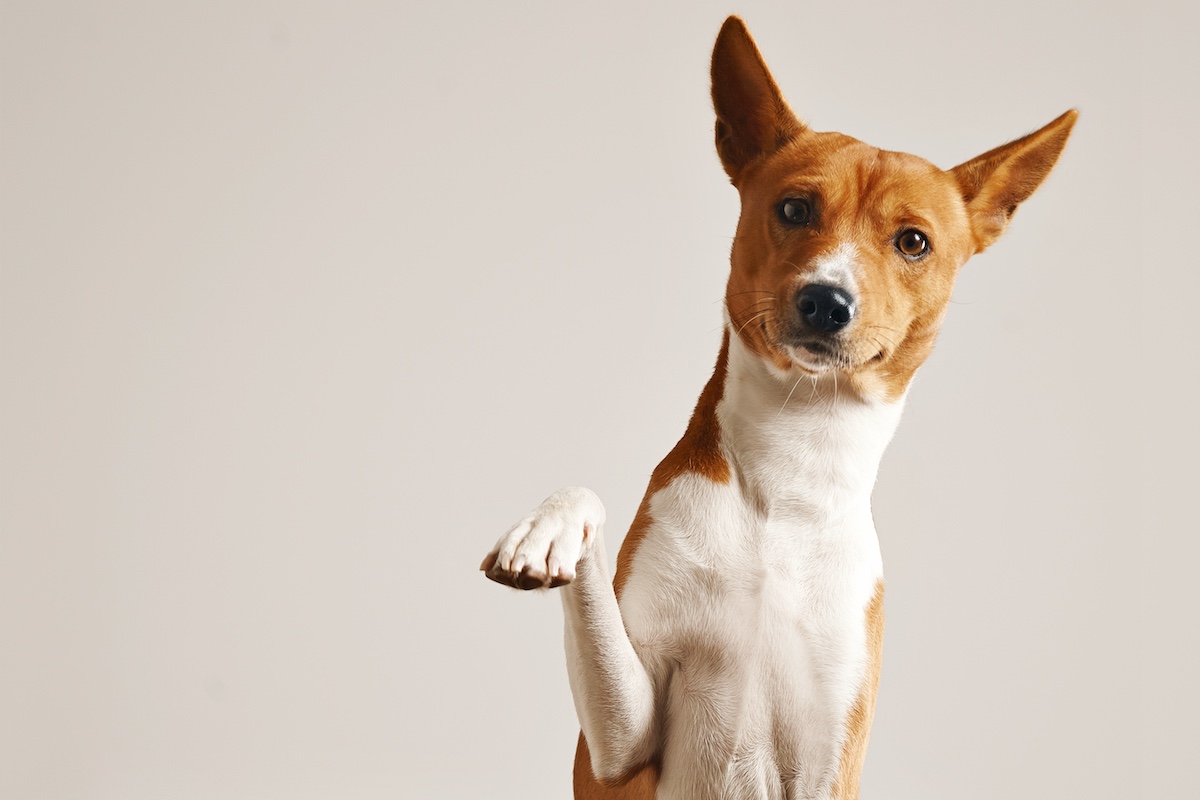
It’s hard to believe it’s been over two years since my sweet therapy partner started joining me in sessions. Mabel Jean (MJ) is a 7-year-old hound mix with the biggest heart, and she’s become such an important part of the counseling work I do. A lot of people assume having a therapy dog just means having a furry friend to pet or curl up with, but partnering with an animal in a counseling session is so much deeper than that. It took months of training, learning, hard work, and growing—on both of our parts. If you’ve ever wondered what it really means to work with an animal partner or what animal-assisted counseling can offer, I’d love for you to read on!
Animal-Assisted Counseling (AAC) is a goal-directed, evidence-based therapeutic approach in which a licensed mental health professional partners with a trained therapy/counseling animal to help clients overcome emotional, behavioral, and psychological challenges. This innovative counseling method utilizes the healing power of the human-animal bond to promote mental wellness and personal growth.
AAC is successfully integrated into a wide range of therapeutic settings, including:
Individual counseling with teens and adults
Couples and family therapy
Group therapy
Play therapy with children
AAC encourages meaningful animal-human interactions, often combined with experiential and expressive interventions. Even when the counseling animal is passively involved, their presence alone can positively impact the therapeutic environment-fostering emotional safety, connection, and calmness. And AAC sessions are tailored based on the therapeutic goals, the client's needs, and the type of therapy animal involved. These moments of connection can gently open the door for deeper insight and emotional processing. Over time, this collaborative approach helps clients build trust, confidence, and a stronger sense of self.
How Animal-Assisted Counseling Works in Practice by Creating:
A Therapeutic Bridge: Animals help build a warm, open, and emotionally safe therapeutic space
Empathy & Social Skills: Clients develop empathy, social awareness, boundaries, and nonverbal communication through interaction with animals
Somatic Regulation & Mindfulness: Therapy animals help clients stay grounded, present, and can often help regulate when dysregulated
Metaphor & Storytelling: Animals can often represent emotions, parts of the self, or personal growth metaphors to help and support
Responsibility & Mastery: Engaging with therapy animals builds routine, understanding for others, confidence, and positive behavioral reinforcement
AAC requires formal training, certification, and adherence to Animal-Assisted Therapy in Counseling (AAT-C) competencies for both the therapist and animal and they are considered a Team. AAC animals receive over 120+ hours of training and supervision and must be in good health and cleared by a veterinarian. And to maintain certification, every two years the AAC team (both counselor and animal partner) is reevaluated to make sure they meet the standards of this specialized therapeutic practice. It's also crucial to distinguish AAC therapy animals from Emotional Support Animals (ESAs) or Service Animals. AAC animals are specifically trained to support structured therapeutic interventions-not general emotional comfort or medical assistance.
Animal-Assisted Counseling has many scientifically supported benefits including:
Increases and supporting psychological health (Fine, 2019 and Hartwig & Montemayor, 2020)
Increases motivation, mood, and feelings of safety in therapy sessions (Lange, Cox, Bernert, & Jenkins, 2006/2007)
Reduces symptoms of anxiety and depression (Hartwig, 2017)
Decreases disruptive behaviors and enhances social skills (Binfet & Hartwig, 2019)
Animal-Assisted Counseling offers a compassionate, engaging, and impactful way to support mental health. Through certified AAC Team, AAC provides healing pathways through human-animal interaction for children, adolescents, adults, and families alike. These interactions create space for comfort, connection, and meaningful personal growth. For many clients, working alongside a therapy animal helps make the counseling experience feel safer, more accessible, and deeply restorative.
If any of this resonates with you, or if you're curious about what it might be like to work with a certified AAC Team, we’d love to connect. Whether you're looking for additional support, interested in experiencing the calming presence of an animal partner in session, or simply want to learn more about how AAC can fit into your healing journey, we’re here and ready when you are. Reach out to us—we’re waiting, and we’d be honored to support you.
References
Animal-Assisted Counseling Academy. (n.d.). Potential AAC Teams. Animal-Assisted Counseling Academy. https://aac-academy.clas.txst.edu/potential-aac-teams.html Binfet, J. T. & Hartwig, E. K. (2020). Canine-Assisted Interventions: Comprehensive Guide to Credentialing Therapy Dog Teams. Routledge.
Animal-Assisted Counseling Academy. (n.d.). Potential AAC Teams. Animal-Assisted Counseling Academy. https://aac-academy.clas.txst.edu/potential-aac-teams.html
Chandler, C. K. (2017). Animal-Assisted Therapy in Counseling. Routledge.
Hartwig, E. K. (In press). Advancing the practice of animal-assisted counseling through measurable standards. Journal of Creativity in Mental Health. 10.1080/15401383.2020.1792382
Hartwig, E. K., & Binfet, J. T. (2017, June). Best practices for screening and selection of potential therapy canine teams: Preliminary findings from a systematic review of U.S. and Canadian AAT programs [Poster presentation]. International Society for Anthrozoology, Davis, CA
Hartwig, E. K. (2017). Building solutions in youth: Evaluation of the Human– Animal Resilience Therapy intervention. Journal of Creativity in Mental Health. doi:10.1080/15401383.2017.1283281
Hartwig, E. K. & Montemayor, W. (2020, September). Animal-assisted school counseling: How animal counseling teams can improve student success and wellbeing [Conference presentation]. International Society for Anthrozoology Conference, Online conference based out of Liverpool, UK.
Hartwig, E. K., & Smelser, Q. K. (2018). Practitioner perspectives on animal- assisted counseling. Journal of Mental Health Counseling, 40(1), 43-57.
Hartwig, E. K. (2021).Introduction to AAC - Week 1 [Powerpoint Slides]. animal-assisted counseling academy, Texas State University
Stewart, L. A., Chang, C. Y., Parker, L. K., & Grubbs, N. (2016). Animal-assisted therapy in counseling competencies. Alexandria, VA: American Counseling Association, Animal- Assisted Therapy in Mental Health Interest Network. Retrieved from https://www.counseling.org/docs/default-source/competencies/animal-assisted- therapy-competencies-june-2016.pdf?sfvrsn=14